
From Sarajevo to the Western Balkans: Lessons on Gender Equality and Democracy
By Džana Hodžić, Jasminka Hasic Telalovic, and Martha Dimitratou
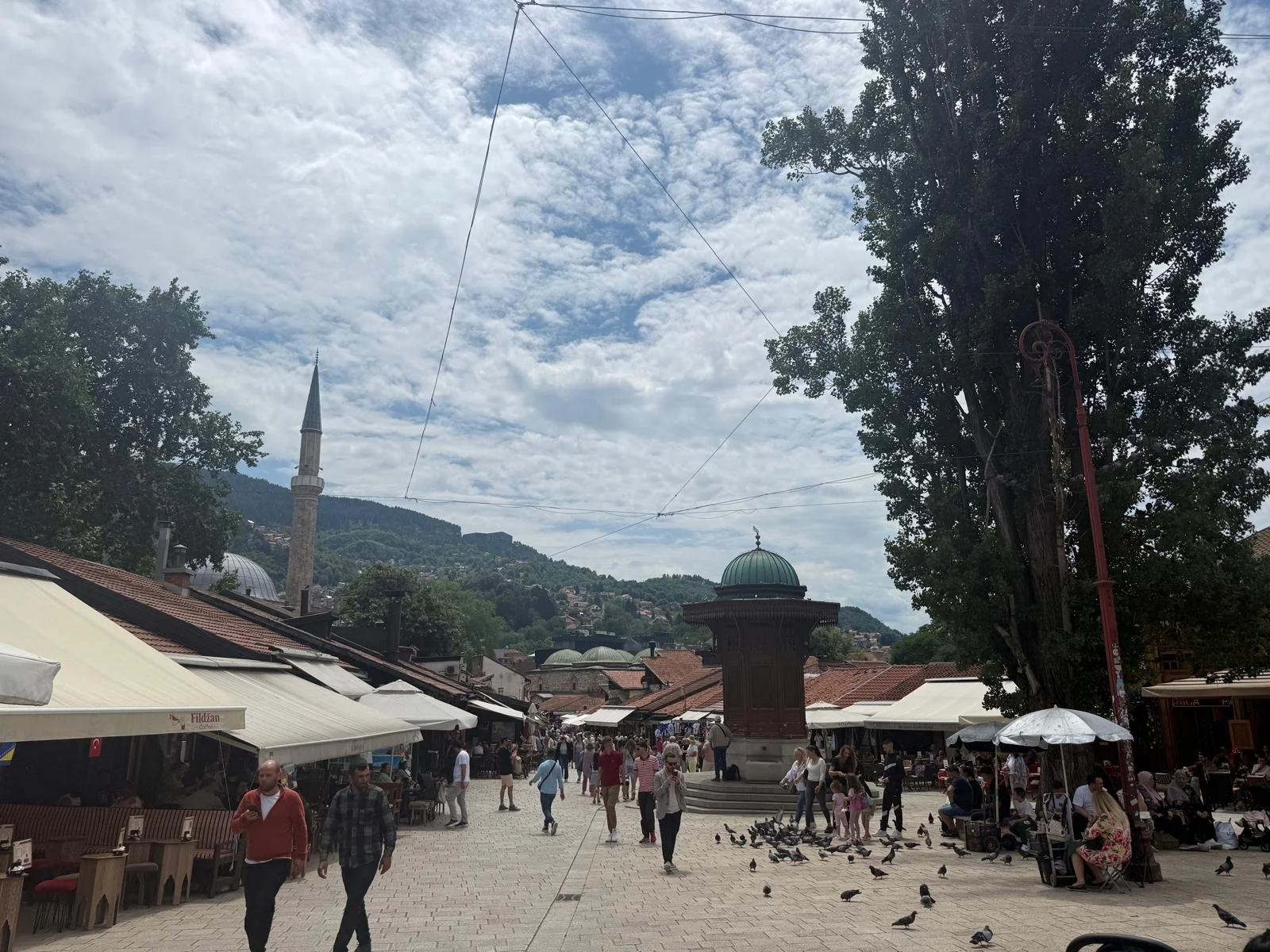
Gender Equality Under Pressure: Lessons from Sarajevo and the Western Balkans
Two weeks ago, we participated in the Berlin Process Gender Equality Forum in Sarajevo, joining more than 150 representatives from governments, parliaments, academia, civil society, gender equality institutions, international organizations, and development partners from across the Western Balkans. Under the theme "Progress Under Pressure – Advancing Gender Equality in the Western Balkans," the Forum explored how regional cooperation can strengthen democratic, inclusive, and resilient societies in a time of growing uncertainty.
Progress cannot be taken for granted
A central message throughout the Forum was that progress is never permanent. Across the region, participants reflected on shrinking civic space, anti-gender movements, democratic backsliding, and persistent barriers to women’s equal participation in political and public life. While the Western Balkans has made important legislative progress over the past decades, implementation remains uneven and recent developments demonstrate that these achievements cannot be taken for granted.
Throughout the discussions, participants repeatedly stressed that adopting new strategies and legislation is only the first step. Lasting progress depends on effective implementation, adequate resources, strong institutions, and reliable data to assess whether policies are making a meaningful difference in people's lives. Sustaining progress requires continued political commitment and accountability at every level.
Regional cooperation remains essential
Many of the challenges facing women and marginalized communities transcend national borders. The Forum reinforced the importance of regional cooperation, cross-border learning, and sustained dialogue between governments, civil society, researchers, and international partners. Shared challenges require shared solutions. Although the countries of the Western Balkans have followed different political trajectories since the dissolution of Yugoslavia, many continue to face similar challenges, including gender-based violence, unequal political representation, economic inequality, and democratic backsliding. Participants emphasized that these shared experiences make regional cooperation particularly valuable for exchanging good practices and developing common responses.
Collaboration drives lasting change
One of the Forum's greatest strengths was bringing together diverse perspectives. Discussions on women's political participation, economic empowerment, gender-responsive governance, care policies, gender-based violence, harmful stereotypes, and the role of men and boys demonstrated that meaningful progress happens when policymakers, researchers, grassroots organizations, and practitioners work together rather than in parallel.
From state censorship to platform governance
One of the most thought-provoking discussions explored how censorship has evolved across the region. While restrictions on expression in the former Yugoslavia were largely tied with the role of the state, today's information environment is increasingly governed by private technology companies, whose content moderation systems and AI tools shape what people can see, share, and organize around. As activists increasingly rely on digital platforms to advocate, build communities, and participate in public life, protecting freedom of expression means ensuring transparency, accountability, and human rights in platform governance.
Censorship in socialist Yugoslavia was primarily exercised through state institutions, whereas today digital platforms increasingly determine which voices are amplified or marginalized through content moderation systems, algorithmic ranking, and AI-driven recommendation systems. This shift raises new questions about transparency, accountability, and the protection of freedom of expression, particularly for activists advocating for women’s rights and reproductive justice.
Evidence based policy making
Throughout the Forum, participants also highlighted the importance of reliable data and evidence for understanding complex social challenges and designing effective policies. Better evidence enables governments to move beyond assumptions, monitor progress, and develop interventions that respond to the diverse realities experienced across the region.
AI governance is becoming a gender equality issue
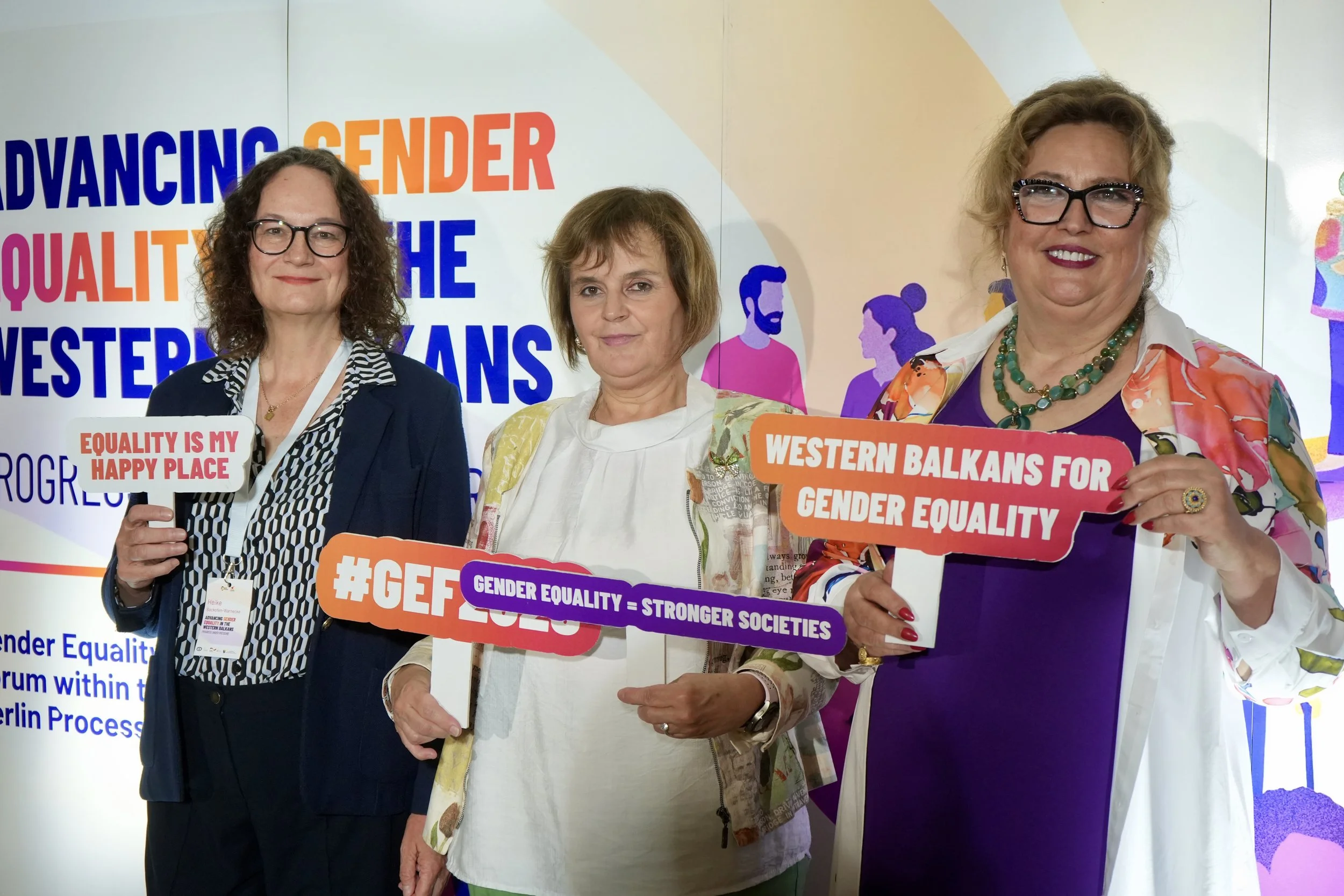
Artificial intelligence (AI) is rapidly becoming part of how information is accessed, decisions are made, and public services are delivered. As these technologies continue to evolve, participants highlighted the importance of ensuring that AI systems are transparent, accountable, and grounded in human rights. AI governance must be inclusive and rights-based to ensure these technologies do not reinforce existing inequalities, discrimination, or barriers to participation. AI systems are trained on biased data that can reproduce existing gender stereotypes, influence hiring decisions, shape access to public services, or fail to adequately detect gender-based online abuse. These risks underline the importance of embedding human rights and gender equality principles into AI governance from the outset but also point to opportunities.
AI also has the potential to become a powerful tool for advancing gender equality - not only by reducing risks, but by helping us better understand and address existing inequalities. When developed and used responsibly, AI can reveal hidden patterns of discrimination, track the implementation of gender equality policies, assess whether they are making a difference, and support more informed policymaking. Realising this potential, however, requires AI systems to be transparent, fair, and regularly checked for bias, while ensuring that diverse voices are involved in their design and governance. As countries across the Western Balkans continue their digital transformation, making sure that new technologies strengthen rather than weaken democratic values should be a shared priority.
Dialogue builds resilience
In a period marked by increasing polarization and backlash, spaces like the Gender Equality Forum are more important than ever. Bringing together governments, civil society, researchers, and international organizations creates opportunities not only to exchange knowledge, but also to build trust, strengthen partnerships, and develop practical recommendations that can inform future policy.
Culture remains a powerful tool for change
The Forum's Women's Rights Are Human Rights poster exhibition was a reminder that advancing gender equality is shaped not only through policy and legislation, but also through culture, storytelling, and the arts. Creative expression continues to challenge stereotypes, amplify underrepresented voices, and foster public engagement with human rights.
Gender equality strengthens democracy
Three decades after the violent dissolution of Yugoslavia, many countries in the region continue to grapple with democratic consolidation, institutional reform, and persistent gender inequalities. While each country has developed differently, many challenges remain deeply interconnected, making regional dialogue particularly valuable.
Protecting gender equality is about more than safeguarding existing rights. It is fundamental to democratic participation, resilient institutions, and inclusive societies. As the Berlin Process Gender Equality Forum continues to evolve as a regional platform, it demonstrates that sustained cooperation remains one of the strongest tools for advancing equal opportunities across the Western Balkans.
We leave Sarajevo inspired by the expertise, openness, and commitment of everyone who contributed to these conversations, and reminded that progress is built not by any one sector or institution alone, but through long-term collaboration across borders, disciplines, and communities.
The conversations that began in Sarajevo will matter most if they continue beyond the Forum itself. Turning dialogue into action, strengthening regional partnerships, and ensuring that commitments lead to measurable change will be essential for building more inclusive, democratic, and resilient societies across the Western Balkans.